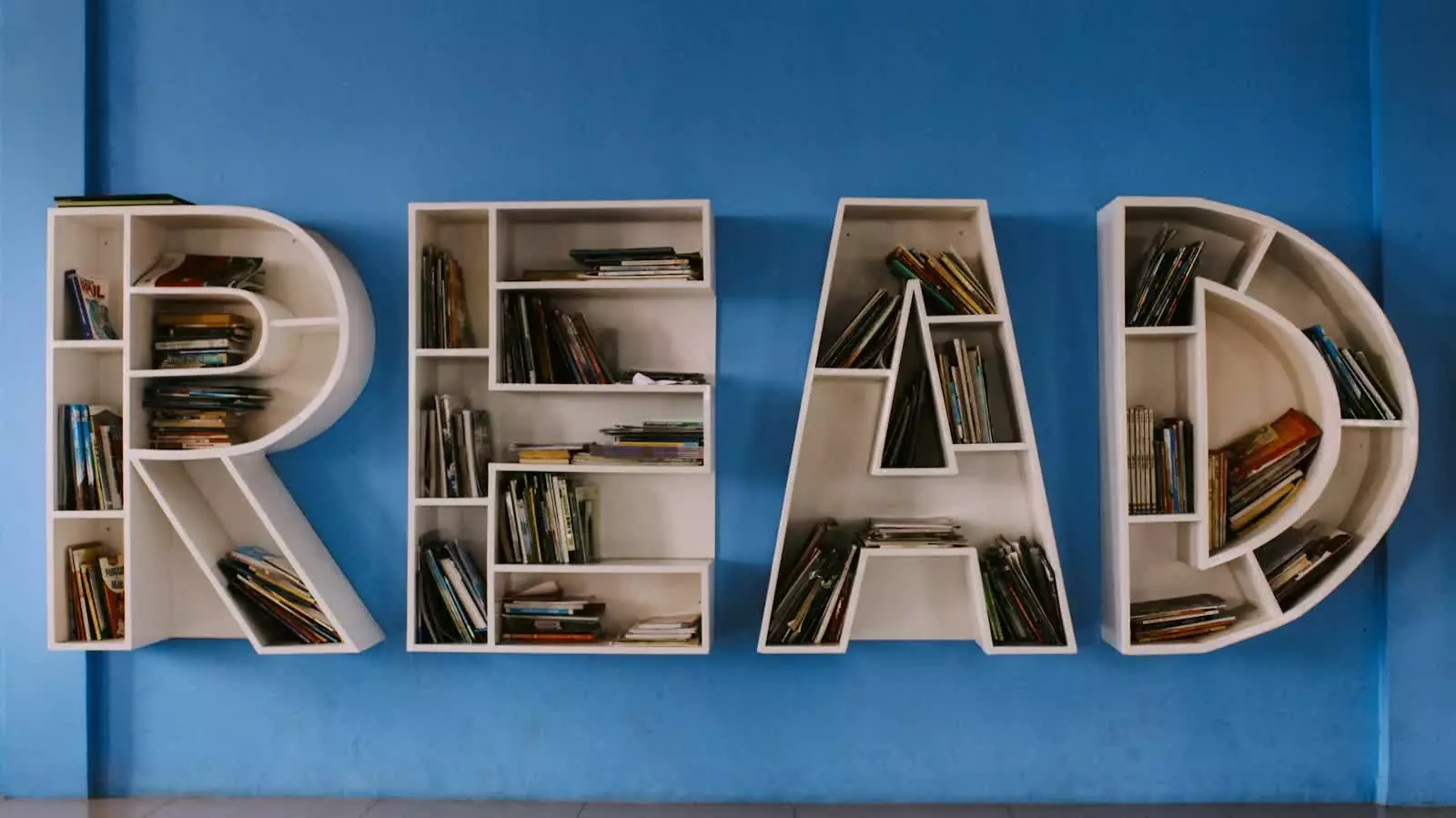
Polonius: What do you read, my lord?
Hamlet: Words, words, words.
– William Shakespeare, “Hamlet,” Act 2, Scene 2
And so we come to #5 in Jane Yolen’s wonderful list of “10 Words Every Picture Book Author Must Know,” which she shared at the SCBWI Winter Conference a few weeks ago: Words.
Here are the three things Jane said about words – and I shall elaborate a bit on each.
1. Pick them as carefully as a poet – Language is a fundamental part of children’s literature. Word play, rhythm, alliteration, parallelism, refrain, patterns, echoes, onomatopoeia – it’s all about being imaginative and creative with words. Personification can be effective too – for instance, instead of “the leaves rustled in the breeze,” you might try, “the leaves whispered,” or “the leaves danced.” Children’s imaginations are often fired by their senses, so incorporating what can be seen, smelled, tasted, heard, or felt to the touch is a powerful way to engage young readers in descriptive narrative.
Above all, look for juicy verbs. Verbs are a writer’s best friend. They keep the story moving forward, and help us to show through behavior and action rather than tell through description. Be as creative as you can be in your use of verbs. Keep a list of favorites – and always keep a Thesaurus handy to find better options for the ones that are common, tired, or overused. Finally, remember that it’s all about economy with picture books. Three words, artfully chosen, will achieve far more than ten general, rambling ones.
2. Children love big words – don’t ‘dumb down’ your language. While we have to keep the age of our reader in mind in terms of what will engage and be relevant to them, we should never talk down to them. Their focus may be narrow and their vocabulary limited, but their brains are like sponges, expanding with every drop of information we give them. Using a sophisticated word here and there invites children to ‘stretch up.’ Whether they infer the meaning through association or context – using the surrounding words to understand the meaning of that one – or whether they pause to ask a grown up what a word means, once that meaning is absorbed it becomes part of the ever-expanding vocabulary and is unlikely to be forgotten.
3. Words can be made up – just do so with care. Harry Potter, Winnie the Pooh, The Hobbit and virtually every book by Dr. Seuss all contain made-up words unique to their worlds and characters. Shakespeare, in fact, made up thousands of words and phrases that have since become part of our everyday language. Most education scholars and child development specialists would agree that the creative use of words helps a young reader appreciate the power of expression. In seeing the rules of language being bent or challenged, children learn critical-thinking skills and develop their own imaginations. It’s important, however, to use this tool with care. Don’t overdo it, and make sure that if you are using invented words, their intended meaning can be clearly inferred by the reader.