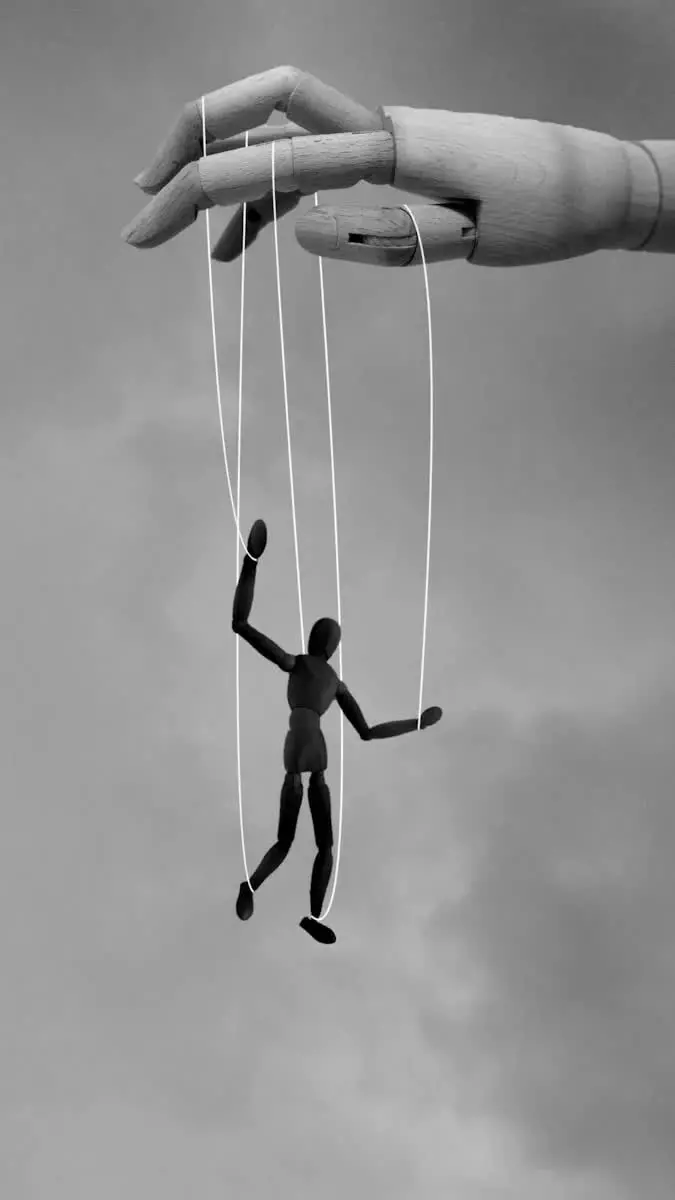
We’ve been discussing anthropomorphism this week in my graduate children’s lit class. Anthropomorphism – or the giving of human characteristics to animals, plants, machines, natural phenomena or objects – can serve to broaden an audience base, especially with picture books. A book about a duck or a pig can appeal to children of all genders, cultures and backgrounds. Anthropomorphism can also be used as a way to approach delicate subjects and make them less challenging for a young reader, and can offer non-threatening opportunities for perspective and compassion when it comes to differences. However, anthropomorphism can be very difficult to do well, and in recent years it has been a tougher sell with agents and publishers.
Here are some things to consider when using anthropomorphism…
Keys to Success
Reason for being – Think carefully about why you can tell this story better using anthropomorphism. Kids will not be more interested or engaged just because the protagonist is a giraffe, or a bunny, or a pig. Find a reason for using these specific characters to tell this story, otherwise they might just as well be human.
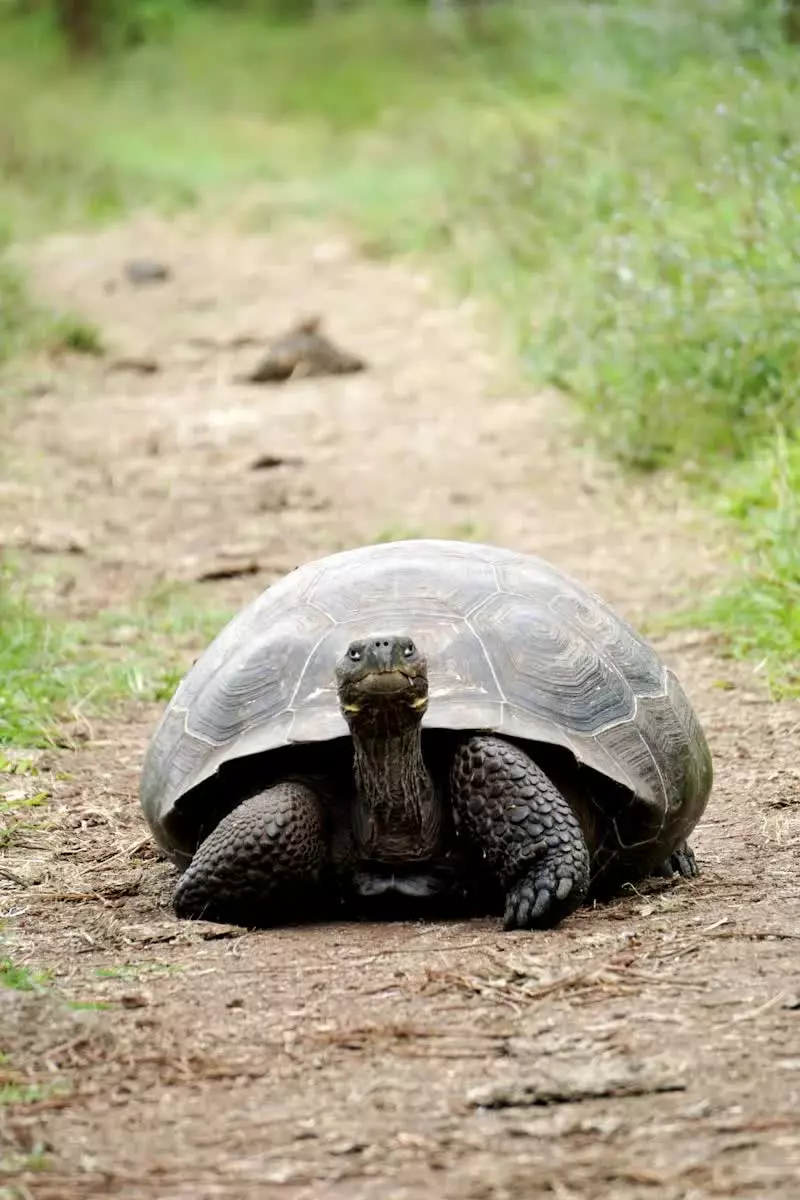
Authenticity – Incorporate as many of the real attributes and behavioral details of that specific animal or vehicle into the character as possible, and be sure that their actions and words are true to who or what they are. For example, if your main character is a giraffe, try to find a way to bring her height, or legginess, to bear on the story.
Three-dimensional personalities – Anthropomorphic characters should have strong individual personalities and clear, well-developed motivations. They must encounter and overcome believable obstacles in the same way a human protagonist must.
Surprise – Consider the unexpected. Olivia is a case in point – we expect pigs to be slobs (such as in Mark Teague’s Pigsty), so there’s something deliciously ironic and endearing about Olivia’s vanity and self-absorption. Opposites and surprises can be very effective when using anthropomorphism.
Things to Avoid
“Cuteness” – Animals, by their nature, are already winning characters. They don’t need alliterative names, syrupy mannerisms or baby talk to be appealing. Even the youngest readers will find too much preciousness off-putting.
Humans in animal suits – Don’t just write generic animal characters who live in human-style houses, wear human clothing and engage in all the details of human life… otherwise they might as well be human. Consider how their lives, behavior and world are different from ours, as well as where they overlap.