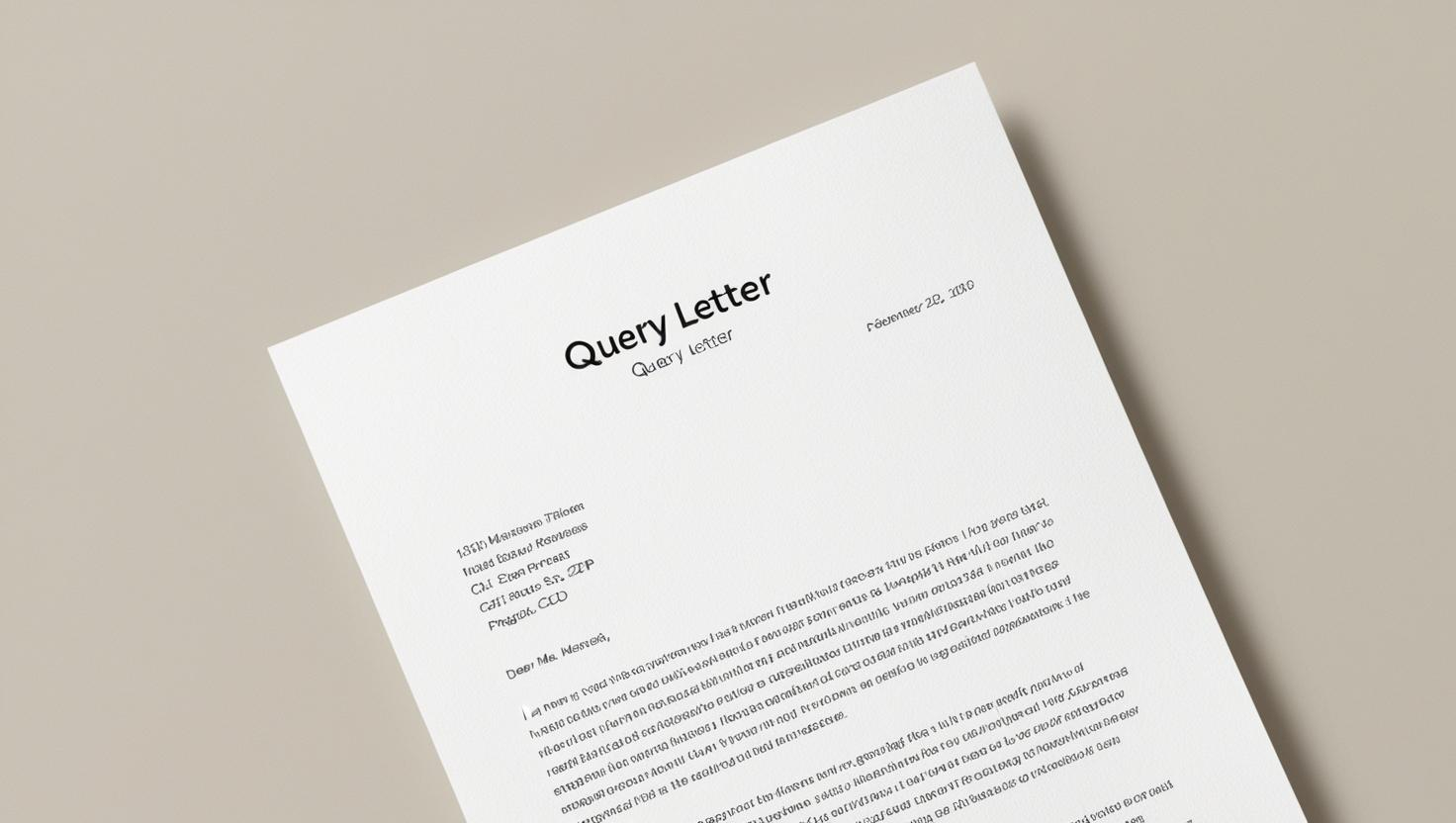
One of the most anxiety-inducing parts of writing a query letter—especially for new writers—is the dreaded author bio.
I can’t tell you how many times I’ve heard some version of:
“But I don’t have any publishing credits. What do I even say about myself?”
The good news? Agents understand that everyone starts somewhere. Your author bio doesn’t need to be long or impressive—it just needs to be authentic, relevant, and professional.
Here’s what to keep in mind when crafting your children’s book author bio—and a few ideas to get you started.
1. Start with Writing-Related Experience (if any)
You don’t need publishing credits to show you’re serious about your craft, but if you do have any, start with those. Just keep it relevant to writing for children or your subject matter. (In other words, publication in a medical journal is not relevant—unless your book’s subject is medical. Sadly, self-published books are also best left out, unless you can point to high sales numbers.)
Include any honors, awards, or recognition—i.e. manuscripts that placed in contests—only if the contests are professional (author-sponsored ones are typically viewed as more self-promotional than authentic.)
Also mention any writing-related degrees or certificates, and/or paid memberships or affiliations with writing programs such as SCBWI or 12 x 12. This demonstrates that you’re actively engaged in the writing community, and committed to investing in your career. Don’t bother mentioning critique groups or workshops/classes, since these are assumed to be a given for any serious writer.
2. Mention Relevant Professional or Life Experience
Agents are looking for a sense of who you are—not just as a writer, but as a person, and also what gives you the authority to tell this story. That includes:
- Any work with children (teaching, counseling, education)
- Storytelling or performance experience (theater, voiceover, public speaking)
- Volunteer work or community involvement related to literacy or kids
- Direct experience with your subject (i.e. your book is about a fire and you are a volunteer firefighter)
3. Keep It Short, Sweet, and Professional
A bio should generally be no more than 2–4 sentences. Focus on what’s relevant to your writing career and avoid personal asides (no need to mention your pets, children, or favorite pizza topping—unless it’s directly tied to your book). And absolutely no apologizing for what you don’t have.
4. An Optional Closing Note
If you tend to write a particular kind of book, are an author-illustrator, or have any other relevant experience, that’s worth mentioning at the end of your bio. It signals your professionalism and industry knowledge.
Here’s a sample bio that works well without listing any formal publications:
I’m a former elementary school science teacher and an active member of SCBWI and the 12×12 Writing Challenge. I write stories that celebrate the wonders of the natural world. This is my first submission.
Short. Warm. Professional. And no apologies.
Want More Help Crafting Your Bio (and Query Letter, and Submission Strategy)?
If you’re looking for step-by-step guidance on crafting every part of your submission—including query letters, cover letters, bios, pitches, comp titles, and more—I encourage you to check out The Complete Picture Book Submissions System, created by Julie Hedlund and me.
We walk you through the process with examples, templates, and pro tips—so you can submit your work with clarity and confidence. Because the world needs your stories, and we’d love to help you get them into the right hands.